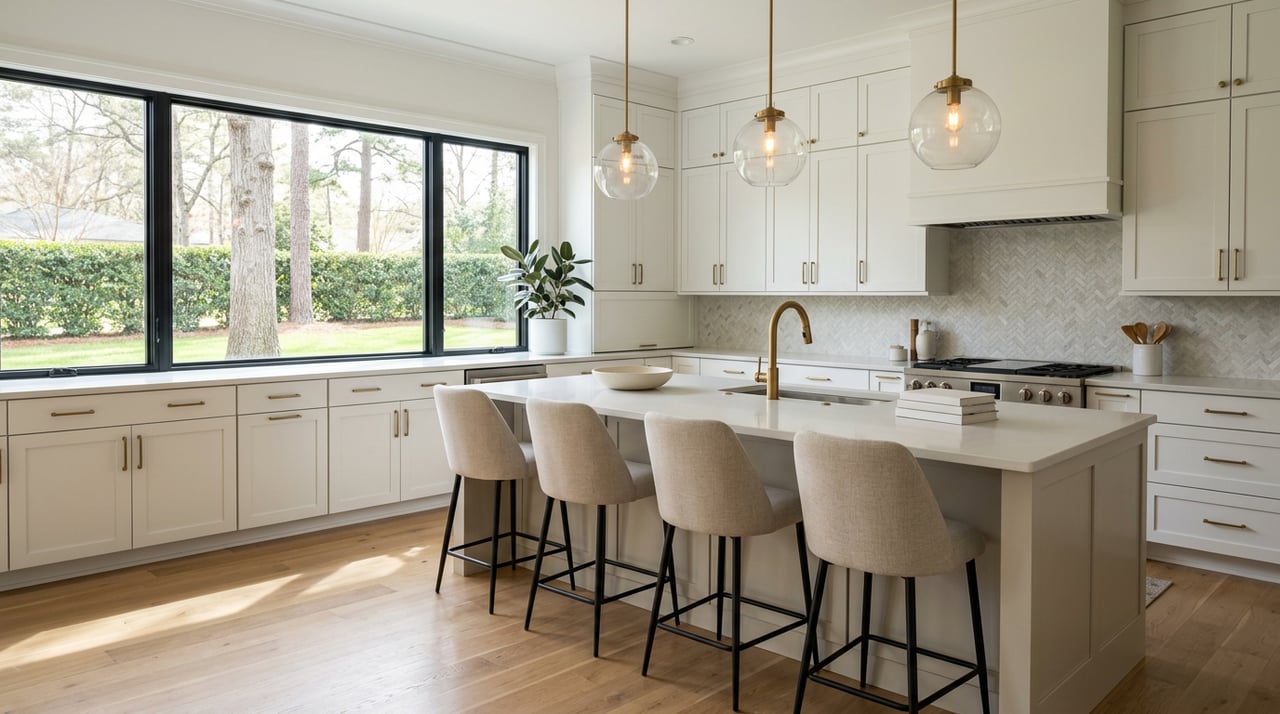
Touring model homes around Raleigh and Wake County can feel exciting and a little overwhelming. You want the fresh finishes and the low‑maintenance start, but you also want to avoid costly surprises. This guide walks you through the local new‑construction process in plain English so you can move from first visit to closing with confidence. Let’s dive in.
NC new construction basics
When you walk into a model home, the on‑site sales rep typically represents the builder. In North Carolina, licensees must explain agency relationships and provide the Working With Real Estate Agents disclosure at first substantial contact, so you know who represents whom. You can review that guidance in the state’s consumer brochure from the North Carolina Real Estate Commission. See the state’s overview in the Working With Real Estate Agents disclosure for clarity on representation responsibilities. NCREC consumer disclosure
North Carolina also uses a standard purchase contract structure that includes two separate payments. The due diligence fee is usually nonrefundable and paid to the seller, and the earnest money deposit is held in escrow. NCREC bulletins explain how the due diligence period works and why it matters if you decide to terminate. Read more about due diligence and Form 2‑T in NCREC’s guidance. NCREC bulletin on due diligence and Form 2‑T
Earnest money is handled under strict trust‑account rules. The contract names who will hold the deposit, and brokers who hold funds must follow the Commission’s timing and accounting requirements. Always confirm who will hold your earnest money and when it must be deposited in your signed contract. Review the Commission’s trust‑account rules in the NC Administrative Code. NC Administrative Code trust‑account rules
Step‑by‑step new‑build path
Get pre‑approved and secure representation. Line up a full pre‑approval, not just a pre‑qualification. Bring your buyer’s agent on your first community visit or have them register you in advance so your interests are protected. The model‑home rep works for the builder, while your agent advocates for you. See the state’s consumer brochure on agency for context. NCREC consumer disclosure
Visit the model home with a plan. Confirm your agent is registered. Ask for the lot map, community phase map, a list of standard features versus upgrades, and the builder’s warranty packet. Take notes and photos so you can compare communities later.
Write your offer with NC details in mind. Review the due diligence fee, due diligence period, earnest‑money holder, and deposit timeline before you sign. Pay funds exactly as the contract spells out. Use the Commission’s due diligence guidance to understand your termination rights and obligations. NCREC bulletin on due diligence and Form 2‑T | NC Administrative Code trust‑account rules
Plan your design selections early. Builders set deadlines for structural choices and design‑center finishes. Price every upgrade in writing, ask for the cut‑off schedule for change orders, and confirm how any extra costs will show on your Closing Disclosure. Build a small contingency into your budget for late‑stage changes.
Schedule inspections and track progress. The town or city will perform required code inspections during construction, but those do not replace your own independent inspections. In the Triangle, a pre‑drywall inspection is often the best time to catch issues before walls are closed. Confirm your builder’s access rules and hire a licensed North Carolina home inspector. Learn about municipal inspections in Cary’s FAQ and check inspector licensure standards. Cary residential inspections FAQ | NC home inspector licensure overview
Complete your final walkthrough and punch list. Before closing, walk the home with the builder rep and document everything that needs attention. Local reporting has emphasized the value of thorough records and photos for warranty work. Make sure all items are written into the builder’s system with target dates. See a recent reminder from local media to inspect carefully. Local note on inspecting new builds
Close with a North Carolina real‑estate attorney. In NC, closings are commonly handled by attorneys who coordinate title work, escrow disbursements, and recording. Expect your closing attorney to be your central settlement contact. Follow the attorney’s wiring instructions carefully and bring any funds listed on your Closing Disclosure. Read an overview of attorney‑handled closings in NC. NC real property closing overview
Contracts, fees, and deposits
New‑construction contracts can include builder‑specific clauses that affect price, timing, and risk. Look for language about price or lot‑premium adjustments, completion and extension rights, appraisal or financing contingencies, and change‑order costs. Review how disputes will be handled and whether arbitration is required. Your agent can help you flag items that warrant negotiation or legal review before you sign.
Financing and appraisals
Builders often promote a preferred lender with incentives, such as closing‑cost credits, rate buydowns, or extended rate locks. Federal rules prohibit any requirement that you use a particular lender, although incentives can be tied to the preferred lender and must be properly disclosed. Compare written Loan Estimates from at least two other lenders so you can weigh the value of credits against total loan costs. Learn more about RESPA guidance on affiliated business arrangements. FDIC RESPA overview
Appraisals for new homes can be tricky if there are few recent sales nearby. Appraisers may rely more on the cost approach and new‑home comparables. If the contract lacks a clear appraisal contingency, you could be exposed if the value comes in low. Talk with your agent about adding appropriate protections or planning for outcomes. See how appraisers approach new construction. Appraising new construction
Design choices and change orders
Structural changes after framing starts can be expensive and can delay completion. Finish upgrades might require extra deposits or out‑of‑pocket costs at closing, depending on the builder’s policy. Ask for a written calendar of selection appointments, pricing deadlines, and the process for approving change orders. Keep all selections and approvals in one email thread or shared folder.
Warranties and punch lists
Many builders use a 1‑2‑10 warranty framework: one year for workmanship and materials, two years for major systems, and ten years for structural coverage. Coverage and claims processes vary by provider, so read the warranty booklet before you sign. File claims promptly, track all communication in writing, and keep photos with dates. Get a quick overview of what is typically covered in builder warranties. Builder warranty basics
Triangle timelines and expectations
If you buy a quick‑move‑in or inventory home, you can often close in about 30 to 60 days after contract. If you choose a to‑be‑built home, plan for roughly 6 to 12 months, depending on permits, weather, labor, materials, and customization. Lenders usually require final inspections or a Certificate of Occupancy before funding. Confirm expected completion and closing windows in writing with both the builder and your closing attorney.
Avoid common mistakes
- Visiting a model without registering your agent at first contact.
- Skipping a pre‑drywall inspection because the home is “brand new.”
- Assuming municipal inspections replace an independent inspector.
- Overlooking appraisal or financing protections in the contract.
- Missing design‑center deadlines and paying premiums for late changes.
Ready to build in Raleigh?
You deserve a smooth, well‑timed build with clear answers at every step. Our team guides you through agency, offers, inspections, financing questions, and closing so you can focus on the fun parts. If you are exploring new communities across Raleigh and Wake County, connect with Lisa Rivera to get a plan tailored to your budget, timeline, and wish list.
FAQs
Do I need my own agent at Raleigh model homes?
- Yes. The on‑site rep typically represents the builder, and the state’s Working With Real Estate Agents disclosure explains why your own agent protects your interests. NCREC consumer disclosure
What is the difference between due diligence and earnest money in NC?
- The due diligence fee is paid to the seller and is usually nonrefundable, while earnest money is held in escrow and follows Commission rules; both are credited at closing. NCREC bulletin on due diligence and Form 2‑T | NC Administrative Code trust‑account rules
Can a builder in Wake County require me to use its lender?
- No. Federal RESPA rules prohibit requiring a particular lender, though incentives may only apply if you use the preferred lender; compare written Loan Estimates before deciding. FDIC RESPA overview
Should I get a pre‑drywall inspection on a new Raleigh home?
- Yes. It is the best time to catch issues before walls are closed; hire a licensed NC inspector and confirm the builder’s access policy in advance. NC home inspector licensure overview